Infinnovate x Fountain Valley School District
World Cup of Summer | Summer ‘26
One Summer That Brought The World Together
07/27/26
Photos By: Sophia Kim
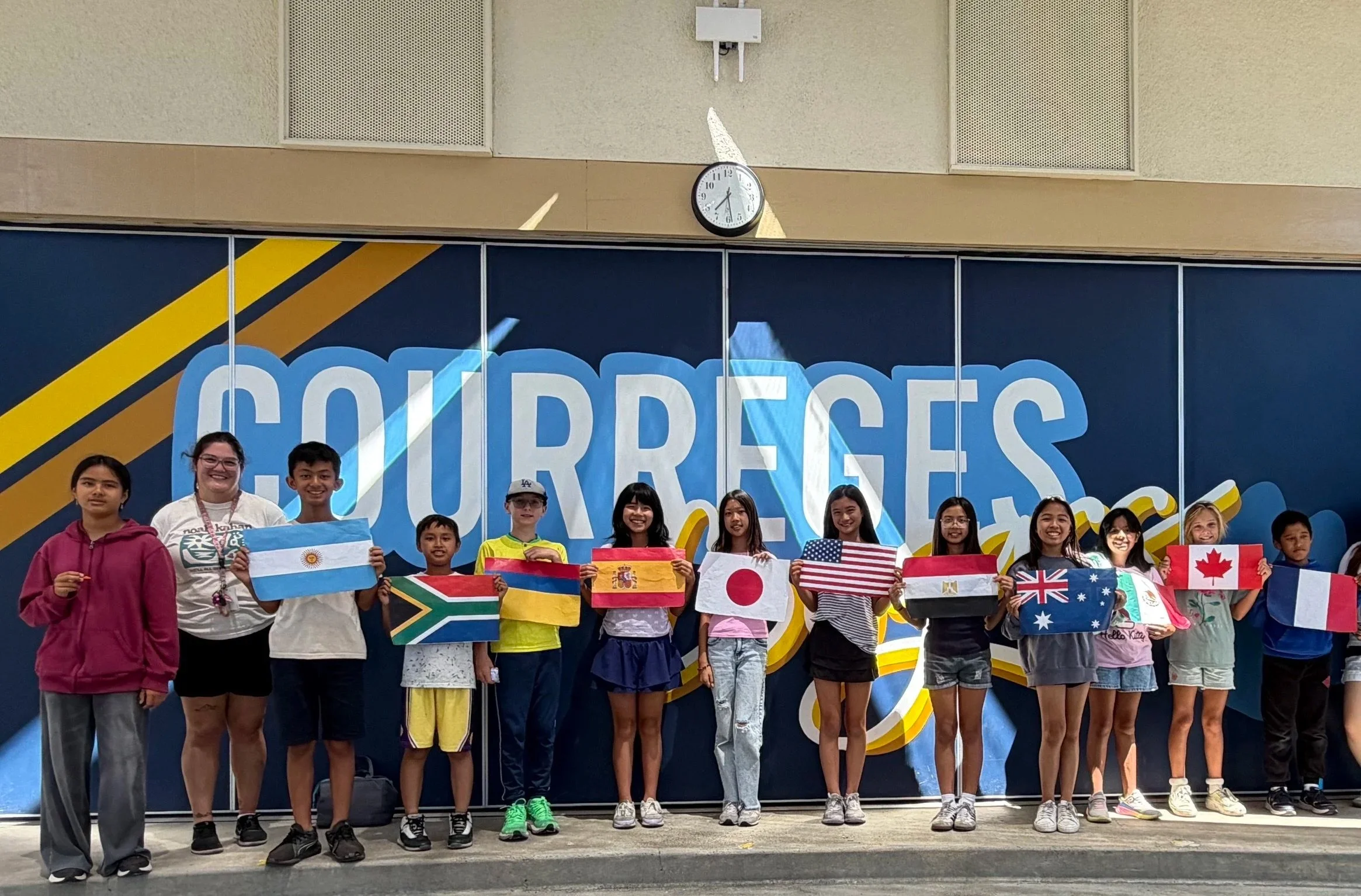
Across two Fountain Valley schools, more than 70 students discovered what can happen when a community gives young people the space to create, contribute, and lead.
It All Started With A Room Full of Possibility
Every Monday, the classrooms began the same way.
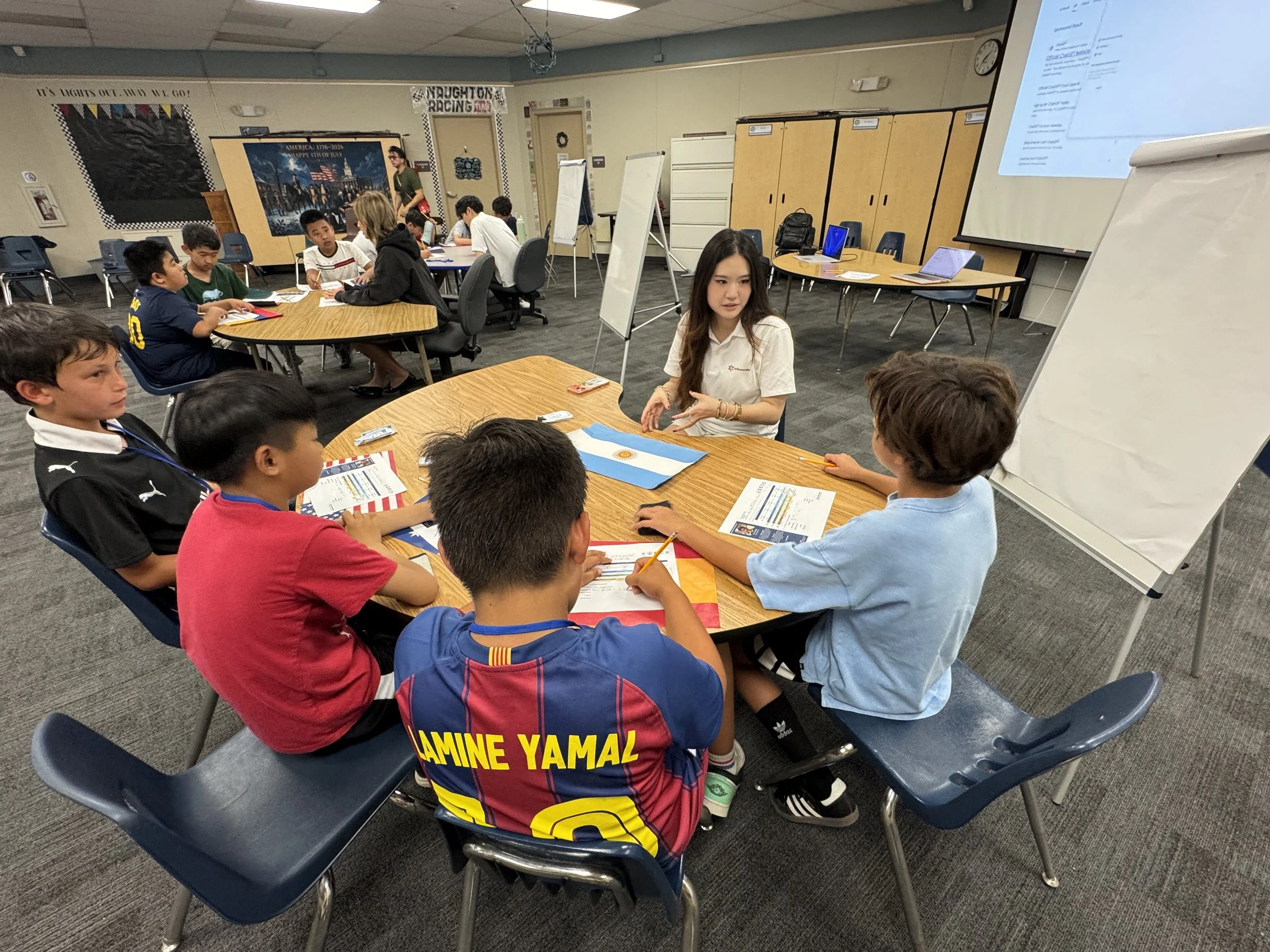
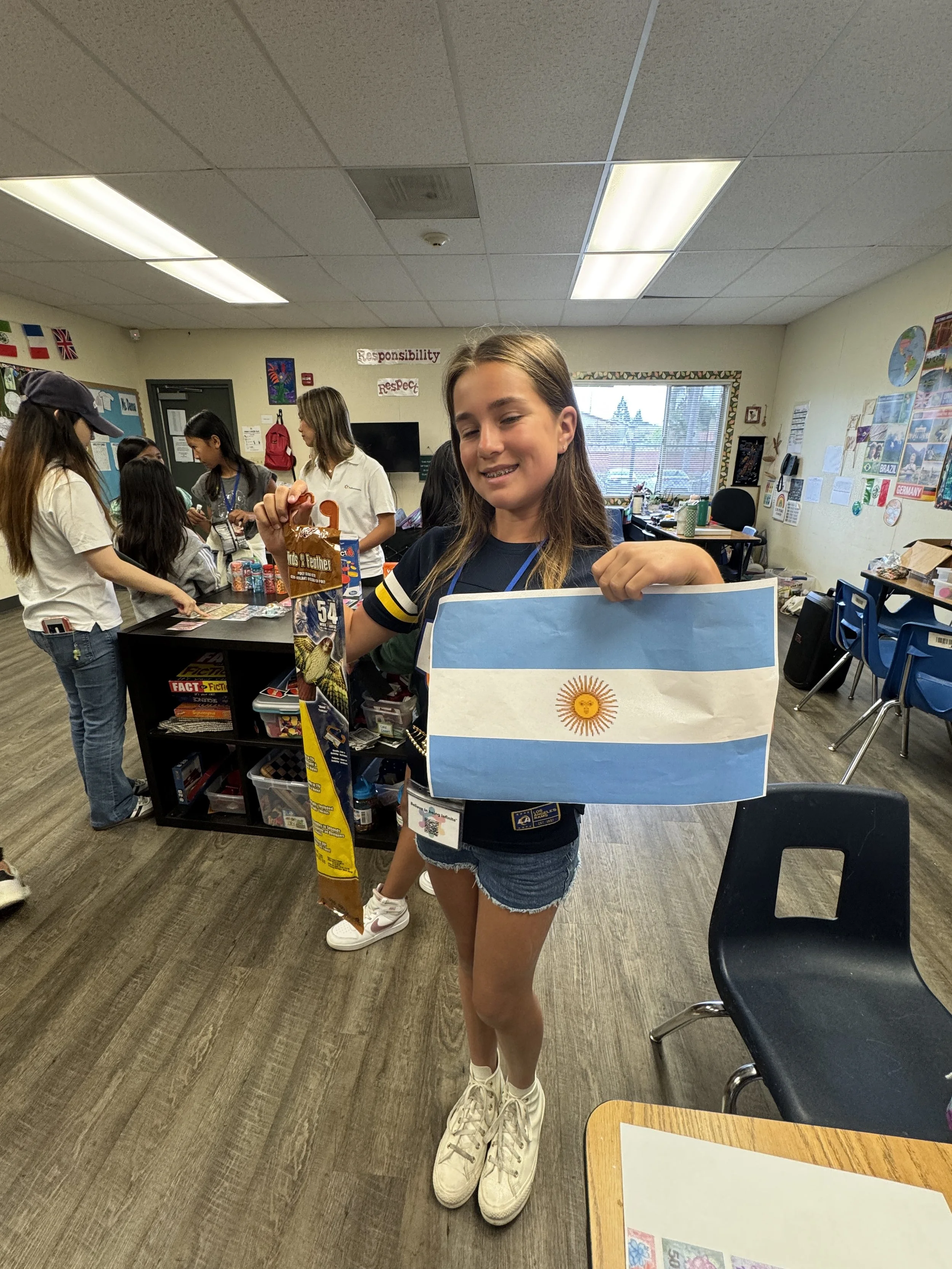
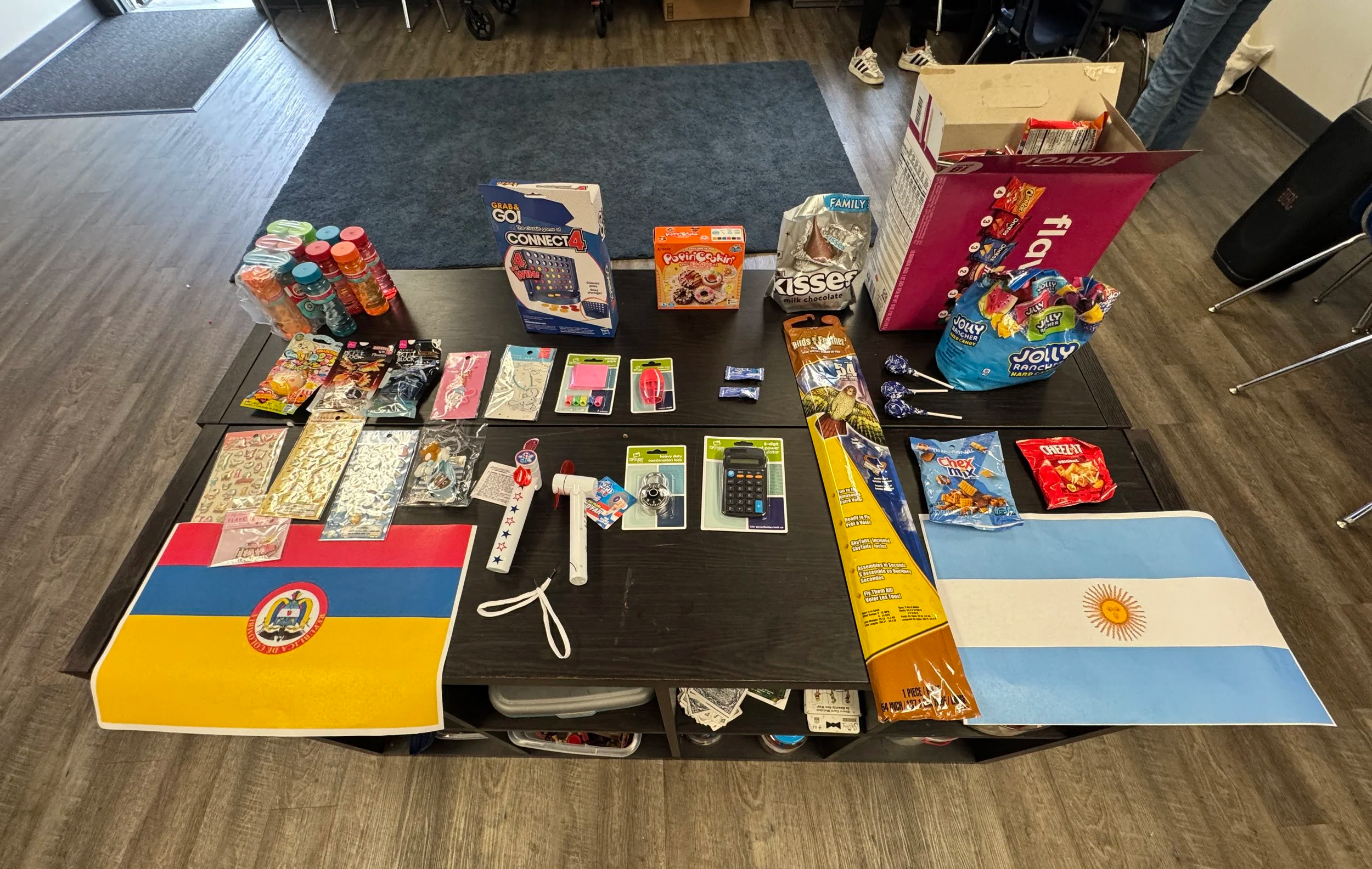
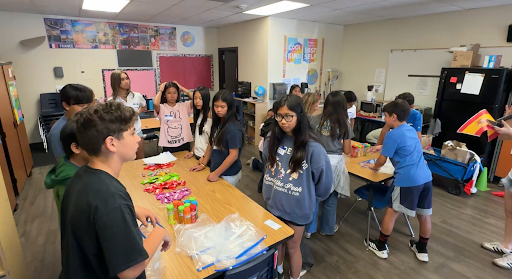
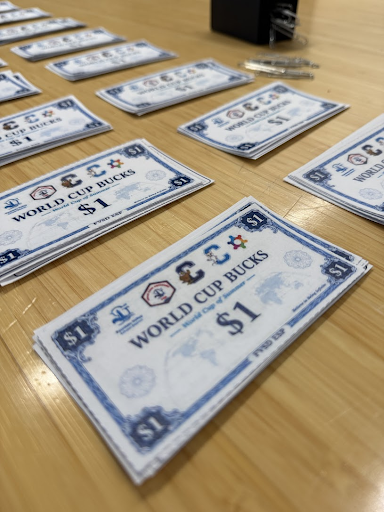
Tables were arranged. Markers, paper, and materials were set out. World Cup Bucks waited in neat stacks. Students arrived carrying the energy of summer—some excited, some curious, some still deciding how much they wanted to participate.
Then the room came alive.
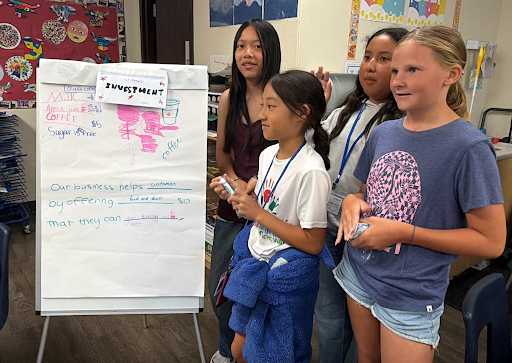
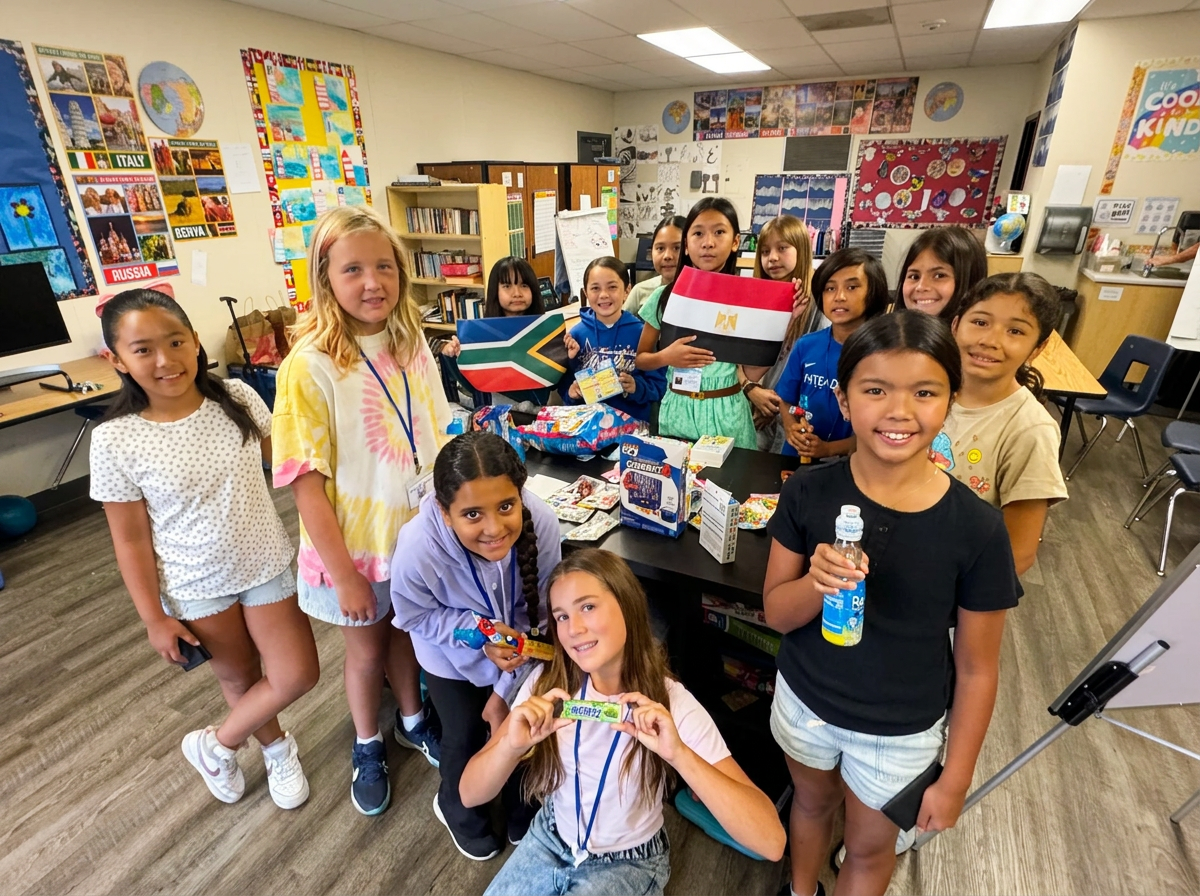
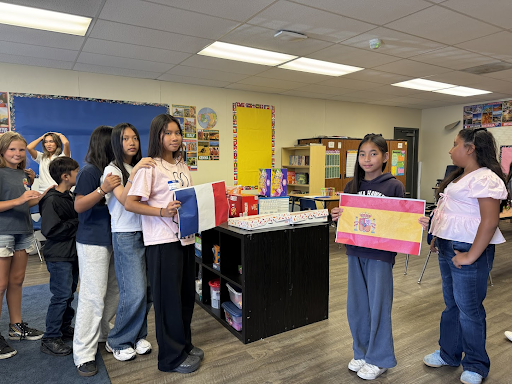
Teams formed. Ideas appeared. Voices rose and fell. Students moved between conversations about business names, customer needs, prices, leadership roles, investments, and what their companies might become. One student began drawing a logo. Another counted the team’s money. Someone volunteered to present. Someone else quietly noticed the problem nobody had solved.
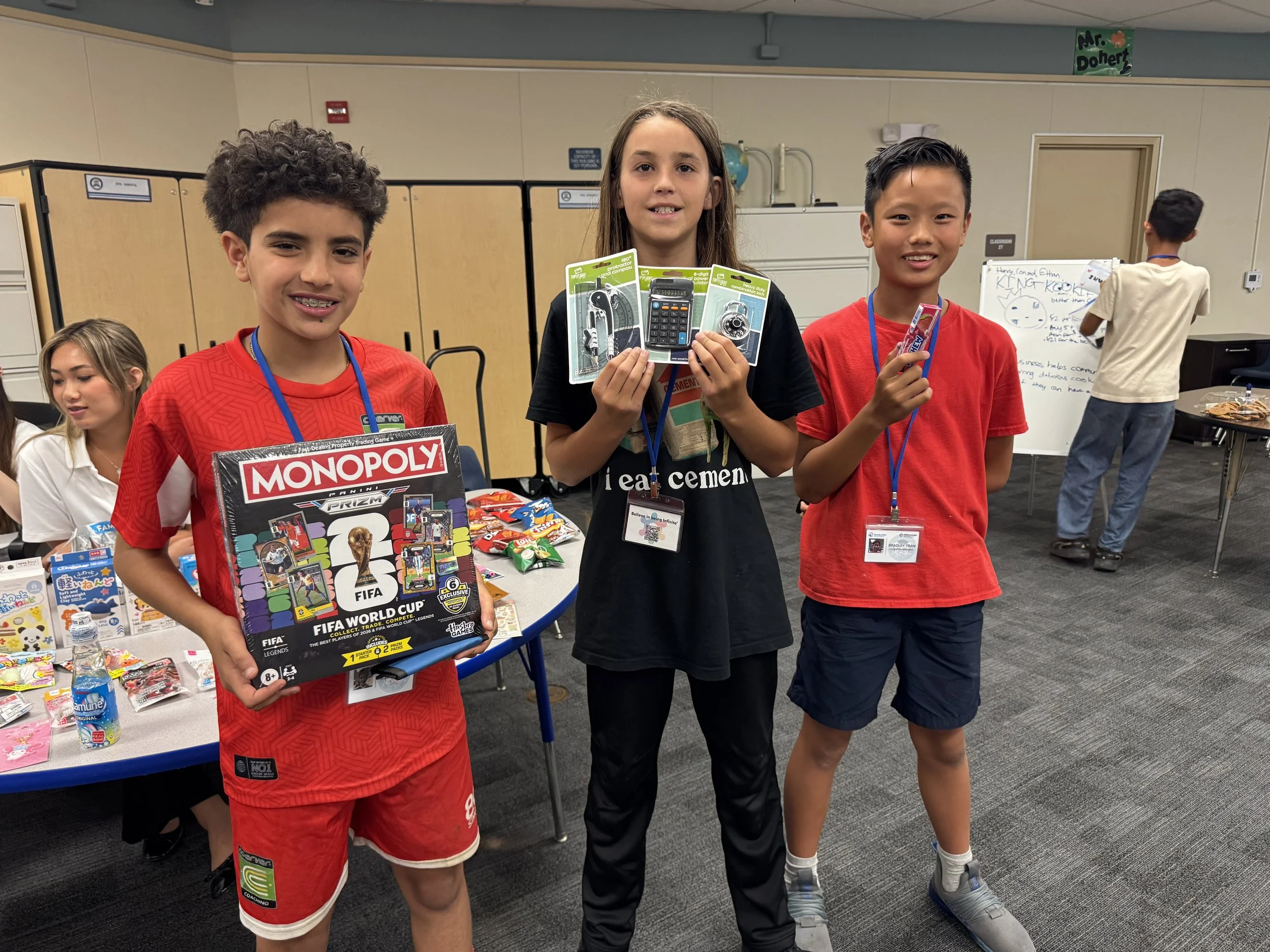
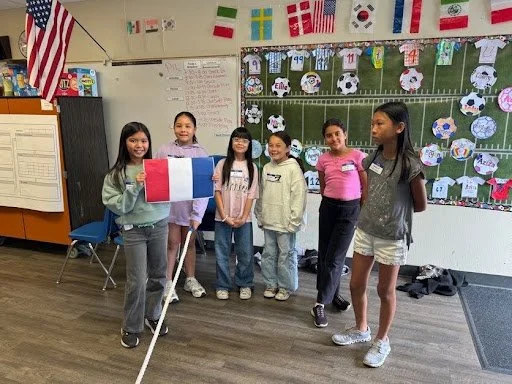
Throughout the summer at Courreges and Cox Elementary Schools, more than 70 students participated in FVSD’s World Cup of Summer, a learning experience powered through the partnership of the Fountain Valley School District Expanded School Program and Infinnovate for Education. The program brought together leadership, entrepreneurship, financial literacy, and artificial intelligence. But what made the summer meaningful was not just the subjects students encountered.
It was the way the experience brought people together.
Classmates learned from their peers, staff learned more about their students, and teachers created structure and encouragement while leaving room for students to make decisions of their own. Classrooms effectively became places where everyone had something to contribute.
And that contribution mattered.
When The World Cup Became Theirs
Students apply Lean Management fundamentals through eliminating waste, standardizing processes, and pursuing continuous improvement via a hands‑on One‑Piece‑Flow candy‑shop application.
The first experience that made this real was a one-piece flow candy store model.
Each team was responsible for producing bags of candy under real constraints: quality standards, cost limits, time pressure, delivery expectations, and productivity goals. Instead of working in large batches, students had to move one bag at a time through a shared process: design, assembly, quality checking, and delivery.
At first, the room was fast and chaotic. Some students rushed through production, while others focused solely on speed. A few tried to fix quality after the fact. Bottlenecks formed. Mistakes multiplied. Work piled up.
Then the reflection began.
Students started to notice what actually mattered: not just how many bags were made, but how well the system worked together. They saw that slowing down at the right moment could improve quality, communication affected the flow, and one missed step impacted the entire team’s output. The question shifted from:
“How many bags did I make?”
To:
“Did I contribute to how the team worked?”
That shift became the foundation for everything that followed.
Leadership did not begin with a title. It began with participation.
Ideas Found A Place To Grow
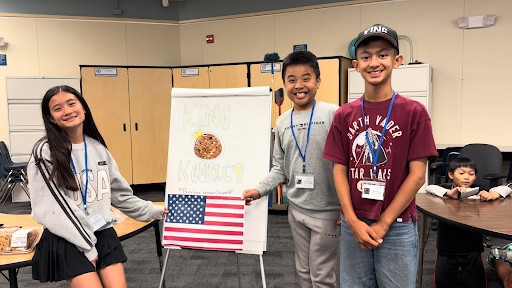
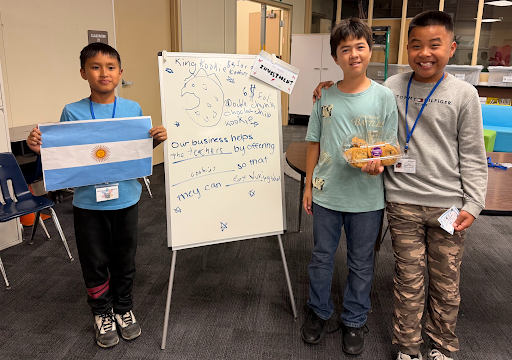
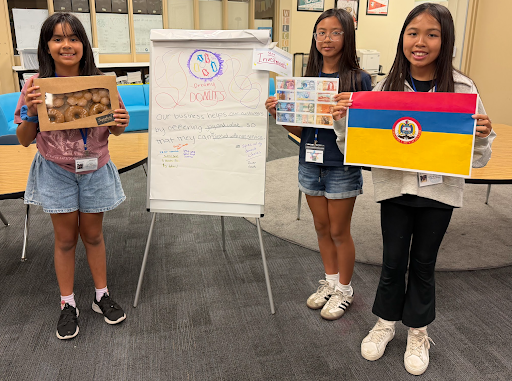
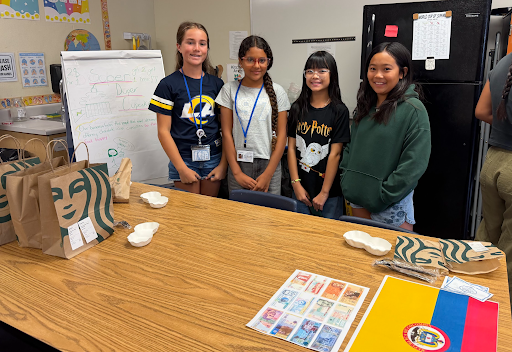
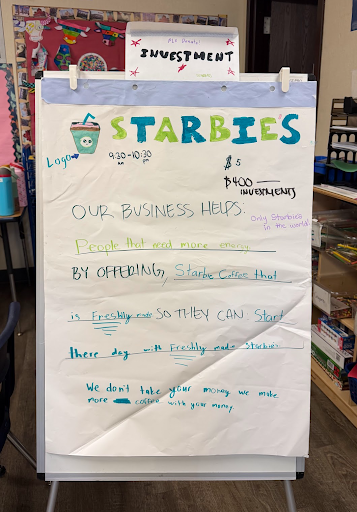
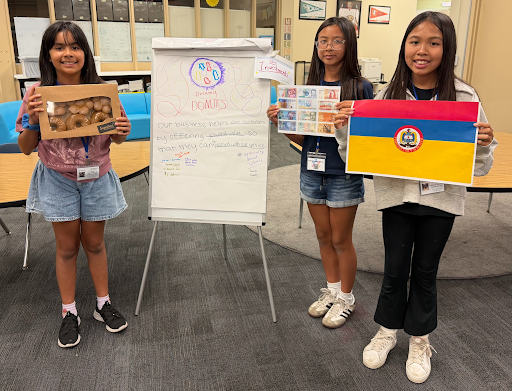
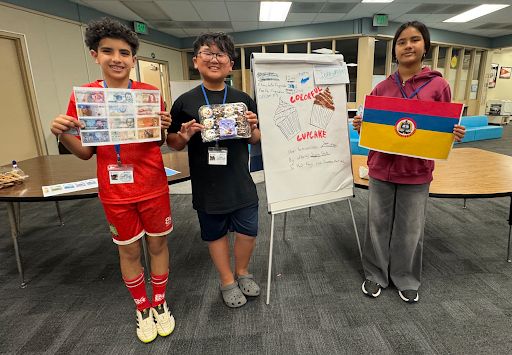
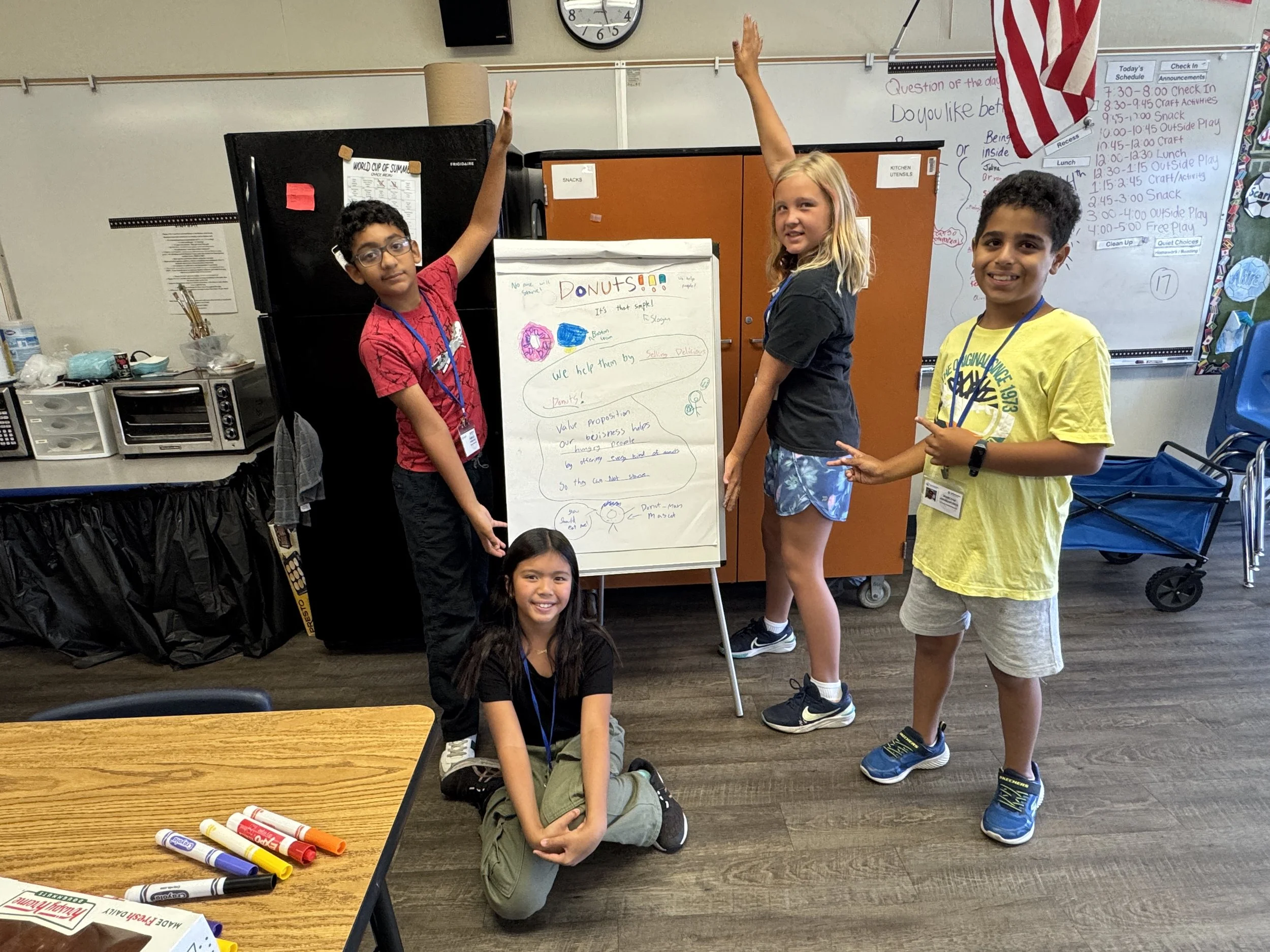
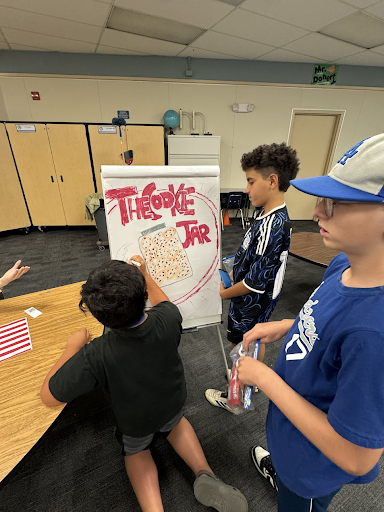
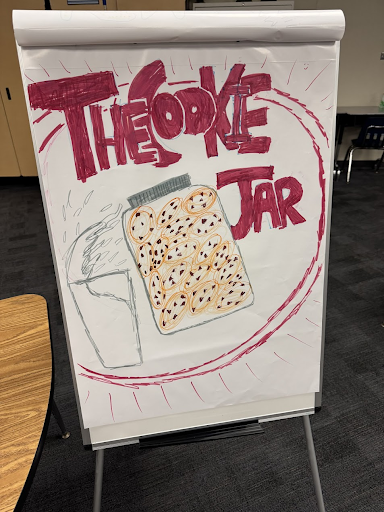
As the weeks continued, the classrooms filled with student-created businesses. There were cookie companies, donut shops, snack concepts, and services shaped by the imagination of the students who created them. Teams named their businesses, designed logos, selected mascots, discussed customers, and built storefronts. The work was colorful and playful, but the questions behind it were real.
Who is this for?
Why would someone choose it?
What problem are we solving?
How should we explain our idea?
Students did not always agree.
They deliberated names, colors, prices, products, and who should be responsible for each part of the work. They revised ideas, started over, and learned that collaboration does not mean everyone thinks the same way. It means finding a way to move forward together.
Through Infinnovate’s ESBIE Journey, which encompasses Employee, Startup, Big Business, Investor, and Entrepreneur, students experienced how value develops over time.
They began as contributors to a team, then became startup creators, introduced executive roles, business systems, and finally, evaluated other companies as investors. Ultimately, they brought the entire experience together as entrepreneurs. Each stage offered a different perspective.
Good ideas mattered. So did the people responsible for carrying it forward.
Empathize
Define

Ideate

Prototype
Test
The Titles Were Fun. The Responsibility Was Real.
Students became CEOs, CFOs, COOs, and CMOs. The titles created excitement, but they also created expectations.
A CEO could not simply announce that they were in charge. The team still needed to be heard.
A CFO could not merely hold the World Cup Bucks. The money needed to be counted, recorded, and used thoughtfully.
A CMO needed to consider how customers would understand and remember the business.
A COO had to help turn ideas into a plan that the group could actually follow.
Students discovered that leadership was not about having the most impressive title. It was about helping the team make progress. Sometimes that meant speaking. Sometimes it meant listening. Sometimes it meant taking responsibility for unfinished work or helping a teammate who had not yet found a role. That understanding became even more real during the Earnings Call Event, where student companies stepped into a new level of accountability.
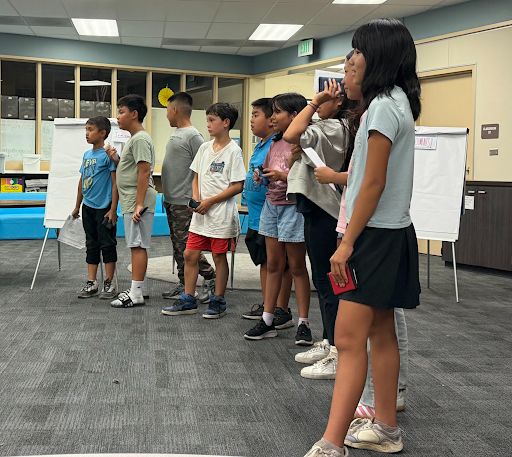
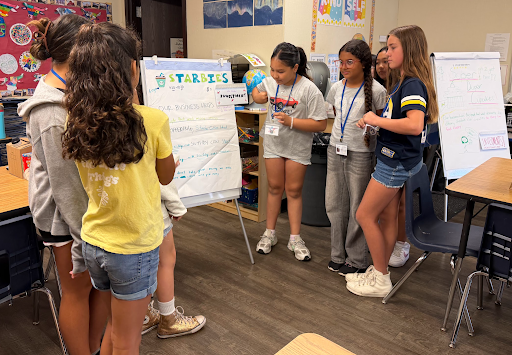
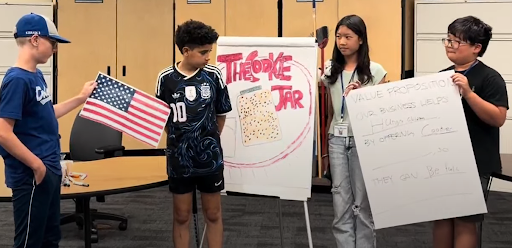
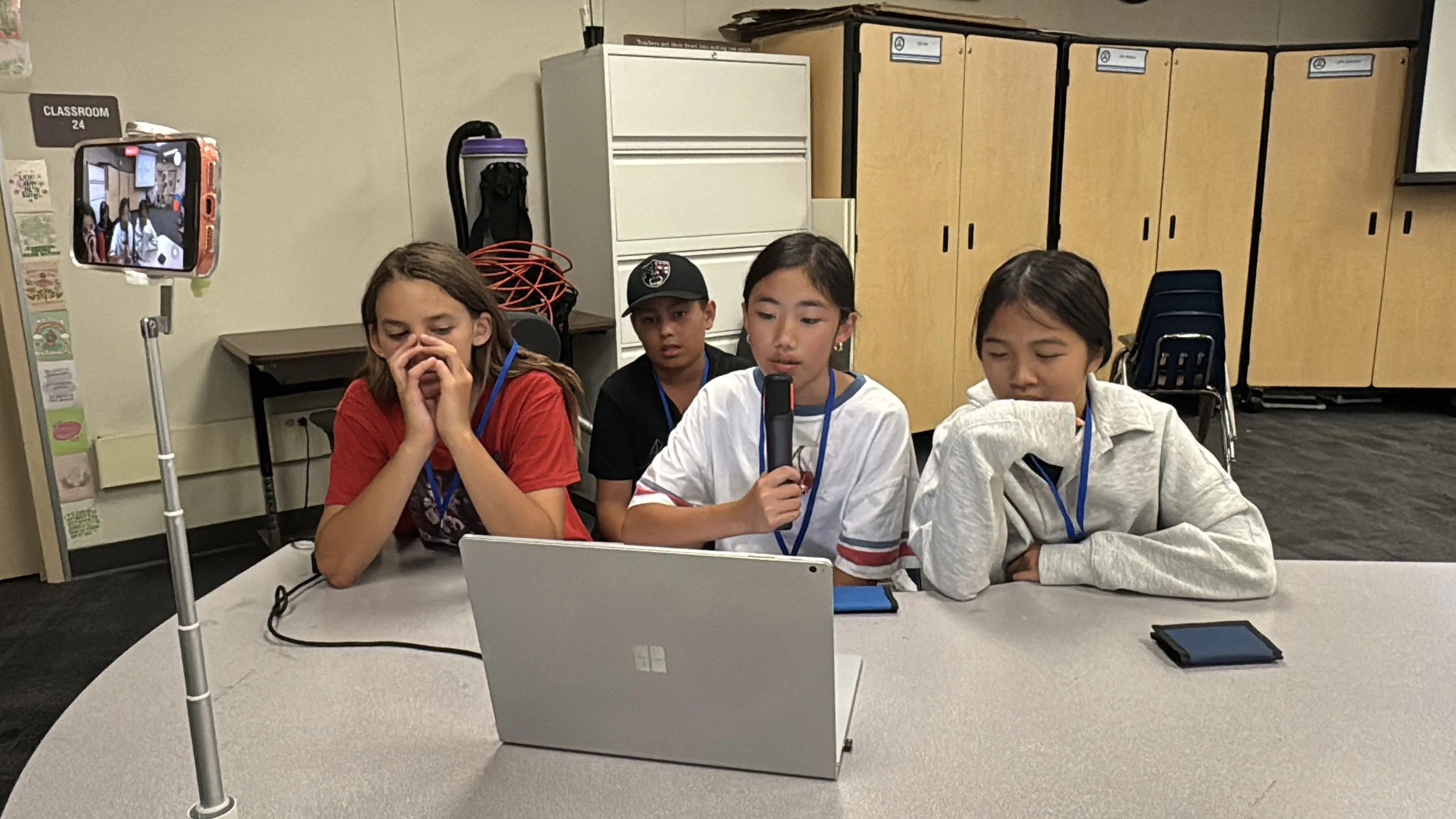
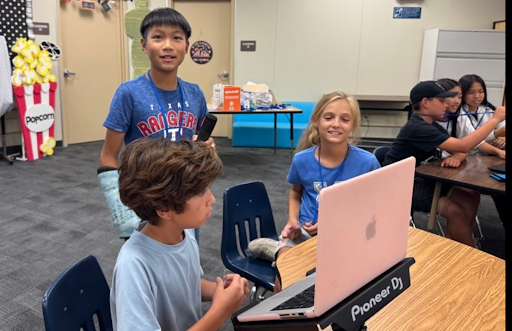
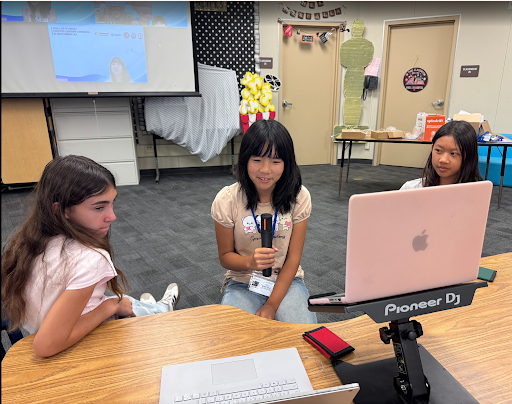
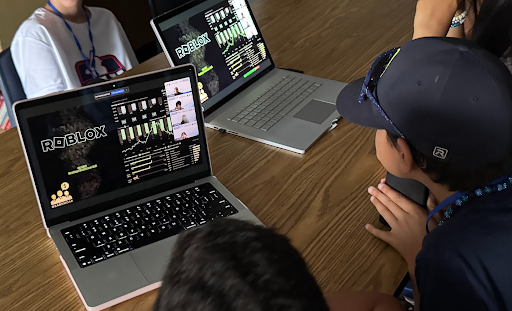
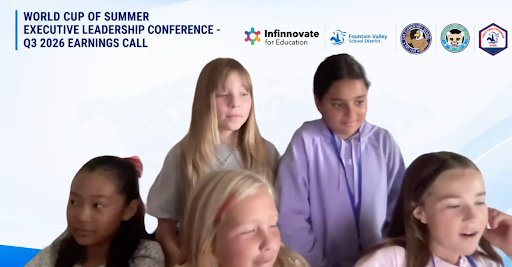
Each team presented its business performance, explained its decisions, and responded to questions about revenue, spending, and strategy. Using their World Cup Bucks data, students had to clearly communicate not just what they built but how it performed. Some teams celebrated strong results. Others had to explain losses, unexpected costs, or decisions that did not go as planned. In every case, students practiced what real companies do: reflect, report, and respond. The room shifted from playful creation to focused communication. Students listened closely to one another, compared outcomes, and began to see how different choices led to different results. The experience also made room for honest feedback.
The students were beginning to recognize the difference between what a business promises and what its team delivers. The Earnings Call made that distinction even clearer—turning reflection into something public, structured, and real.
That is a lesson many organizations spend years learning.
What the Summer Built
By the final weeks, students had moved far beyond naming businesses and designing storefronts. They were making decisions, explaining results, evaluating one another’s ideas, and discovering that every choice—from pricing a product to fulfilling a team role—could influence the outcome.
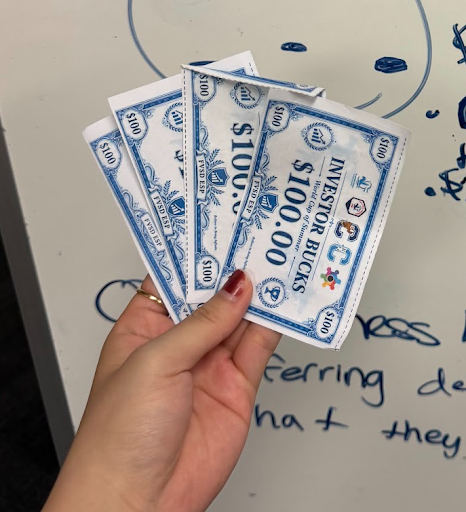
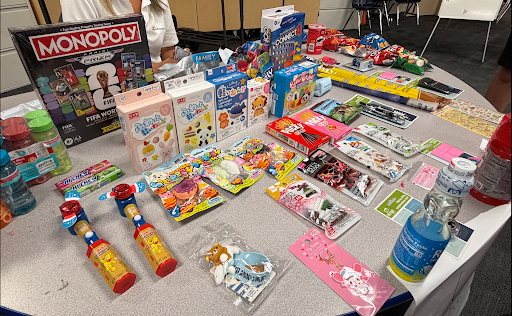
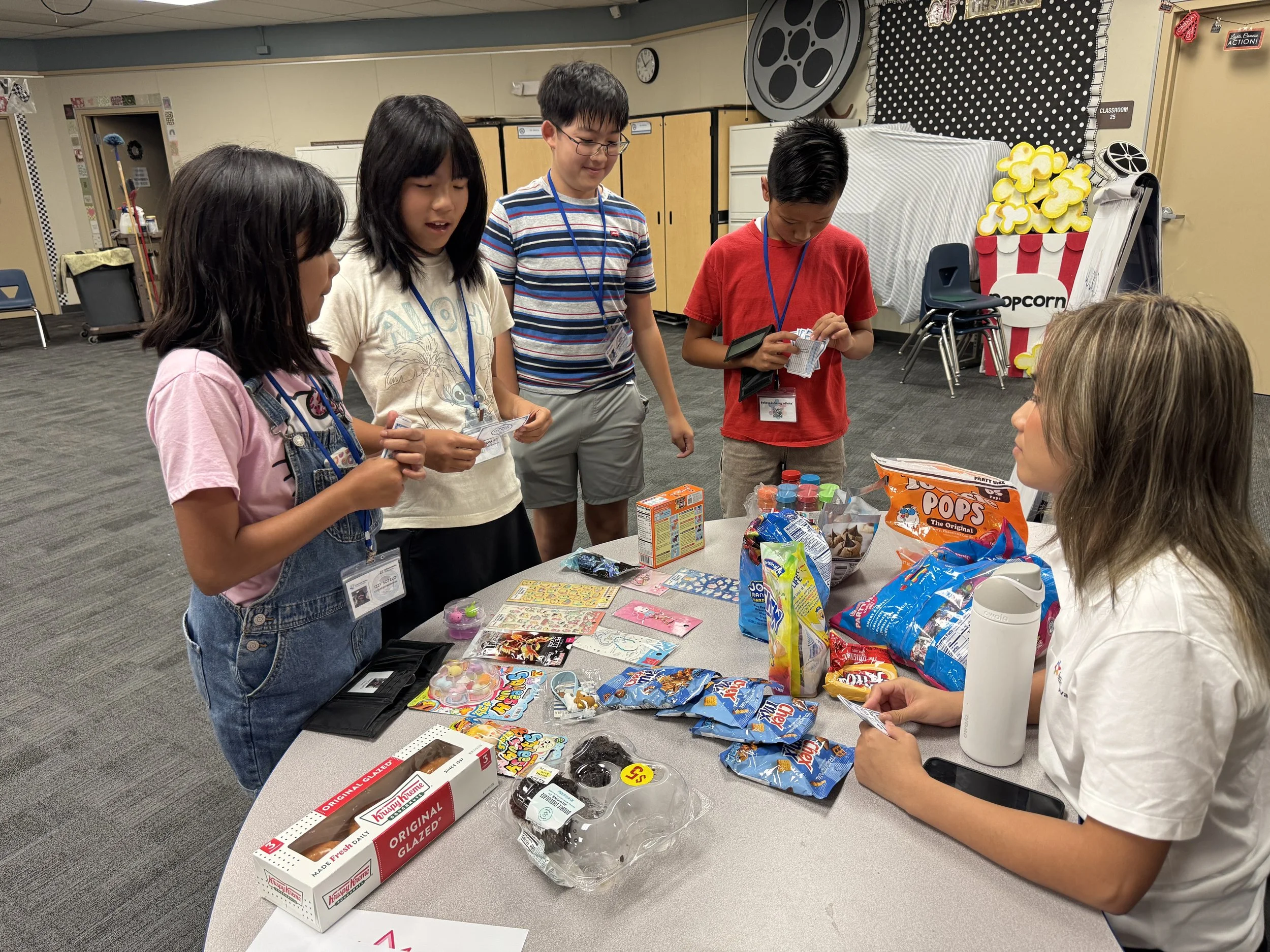
World Cup Bucks made financial literacy tangible. Students earned, tracked, saved, spent, and invested their currency. They weighed opportunities, considered tradeoffs, and decided which businesses deserved their support. Money became more than arithmetic; it became a lesson in priority, risk, trust, and choice.
Artificial intelligence expanded what students could explore. It helped them generate possibilities, strengthen questions, and consider new directions. But technology never replaced their role as creators. Students still had to decide whether an idea made sense, reflected their team, and created meaningful value for someone else.
Leadership, entrepreneurship, financial literacy, and AI were not experienced as separate lessons. Together, they formed one connected journey—asking students to think independently, build collaboratively, use resources thoughtfully, and take responsibility for what they created.
The clearest sign of impact was attention. Students looked forward to Mondays. They cared about their teams, titles, storefronts, balances, and whether others believed in what they had built. The learning became personal because the relationships surrounding it were personal.
FVSD Expanded Learning Program staff created an engaging and supportive environment grounded in connection, collaboration, and community. Infinnovate contributed the learning architecture, classroom economy, real-world activities, and coaching approach. Together, they created an ecosystem in which students were supported, challenged, and trusted to take meaningful ownership of the experience.
World Cup of Summer was never intended to create fully formed entrepreneurs in six weeks. It was designed to give students an early experience of contributing value to a business, a team, and a community—and to help them recognize that their ideas, decisions, and voices could influence what happened next.
The storefronts eventually closed, and the World Cup Bucks were collected. But something more permanent remained: a student who had found the courage to speak, a teammate who had been heard, a financial choice that required careful thought, a technology that had been questioned, and an idea that had become visible.
Across two Fountain Valley schools, more than 70 students experienced themselves not only as young people preparing for the future, but as people already capable of contributing to it.
That was the true outcome of World Cup of Summer—not one winning business, but a community that learned, created, and built something meaningful together.
When schools, families, educators, and community partners unite around a shared belief in young people, learning becomes more than preparation for life.
It becomes part of life itself.